Interior ideas, artisan stories, and calm styling notes
Journal
This is where we write about the quiet details that shape a room: the texture of linen beside matte clay, the weight of a woven basket at the edge of a bench, and the way warm neutrals change through the day. The entries below are designed to be practical and visual, with clear ideas you can adapt to your own home in Ireland.
Browse by intention
Use these themes as a gentle starting point. If you prefer an image-led view, the Gallery focuses on room scenes and close-up material details.
Warm whites and beige behave differently in coastal daylight than in evening lamplight. Our notes help you plan gentle contrast.
Texture and scale
A room feels richer when surfaces vary. We focus on linen, clay, woven fibers, and natural wood tones in balanced proportions.
Care and longevity
Handmade pieces benefit from simple habits. We share practical care approaches that support daily use without fuss.
Recent entries
These articles are written to help you build a calm, tactile interior. Each entry offers a clear focus and a practical takeaway, whether you are styling a shelf, choosing textiles, or balancing warm neutrals across a room.
Tip: pair one structured form with one soft texture
Styling
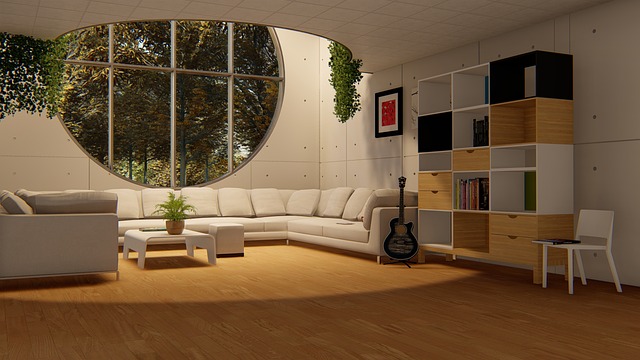
Shelf styling with negative space
A calm shelf is not about filling every surface. Choose a small set of objects with distinct silhouettes, then leave breathing room so texture and proportion can be seen. Try grouping matte ceramics with one woven element to soften edges.
Focus
Proportion
Texture
Clay + fiber
Textiles
Linen layers for everyday softness
Linen adds a quiet, breathable softness that works across seasons. For a cohesive look, keep shades within a narrow range of warm whites and sandy beige, then add depth with a slightly darker throw or cushion in clay tone.
Combine two weaves: smooth + textured
Use tone-on-tone, not high contrast
Woven
Woven pieces as functional decor
Woven baskets and trays are often the simplest way to add texture without adding visual noise. Place one near a seating area to soften hard lines, or use a shallow tray to gather small objects and keep surfaces intentional.
A good rule: if an object is used daily, give it a clear home that feels considered.
Craft
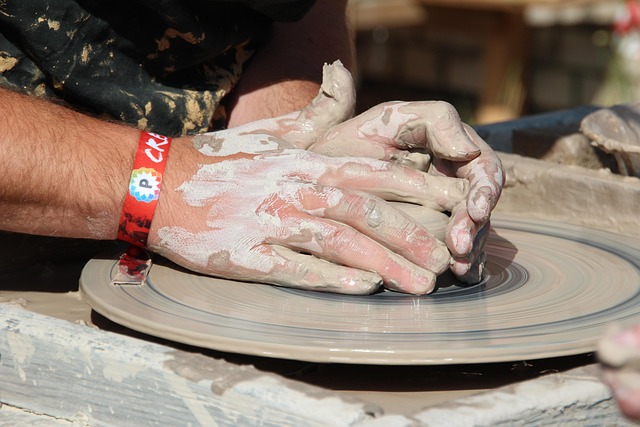
Why handmade surfaces feel calmer
Slight variation in a rim, a glaze that pools differently, or a weave that shifts in thickness can make an object feel less rigid and more human. These details tend to read as softer in a room, especially alongside warm white walls and natural wood.
If you are new to artisan pieces, start with a single ceramic vessel or bowl as an anchor, then build around it with textiles and one woven element.
Everyday living
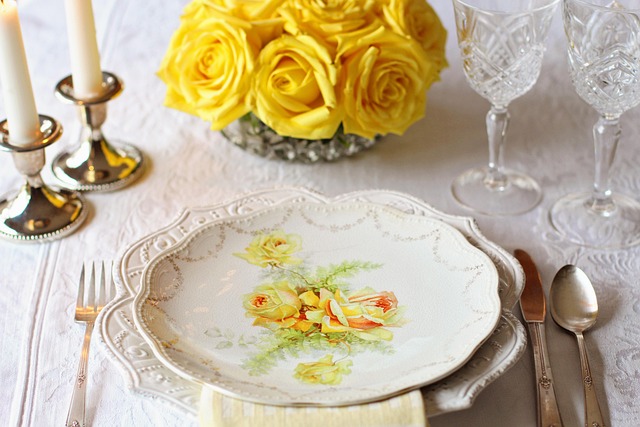
Setting the table with warm neutrals
A table feels welcoming when tones are consistent and surfaces are tactile. Start with warm white ceramics, add linen napkins in natural flax, and introduce one clay or caramel tone through a small bowl or candle holder to create depth.
Base
Warm white
Accent
Clay tone
Texture
Linen
Materials
A gentle palette: beige, linen, and warm white
Earthy neutrals work best when you keep undertones consistent. If your walls lean creamy, choose textiles with warm undertones and ceramics with soft, muted glazes. Introduce natural wood tones to keep the palette grounded and avoid a washed-out look.
When in doubt, repeat one tone at least three times across the room: a textile, a ceramic piece, and a small woven object.
How to use this Journal
Treat each entry as a small design exercise. Pick one idea and apply it to a single area: a shelf, a side table, or a dining setup. When you work in a narrow space, you can notice how texture and proportion interact without needing to change everything at once. If you want to learn the making methods behind key materials, the Craftsmanship section offers a clear overview of process, variation, and care.
If you have a question about how to combine pieces or which tones suit your lighting, you can send a short message through our Contact page. We use your details only to respond to your inquiry and keep communication relevant.
We use cookies to improve your experience, for analytics, and to deliver personalized advertising through Google and Meta. Read our
Privacy Policy.
Cookie preferences
Choose which cookies to allow. Essential cookies are required for core site functionality and security. Analytics cookies help us understand site performance. Marketing cookies support personalized advertising and conversion measurement through Google and Meta.
Essential cookies
Required for core functionality, security, and saving your consent choice.
Always on
Analytics cookies
Helps measure traffic and improve the site experience (Google Analytics 4).
Marketing and advertising cookies
Supports remarketing and conversion tracking (Google Ads and Meta Pixel).
You can update these choices any time via the footer link. For details on cookie categories and advertising partners, read our Privacy Policy.