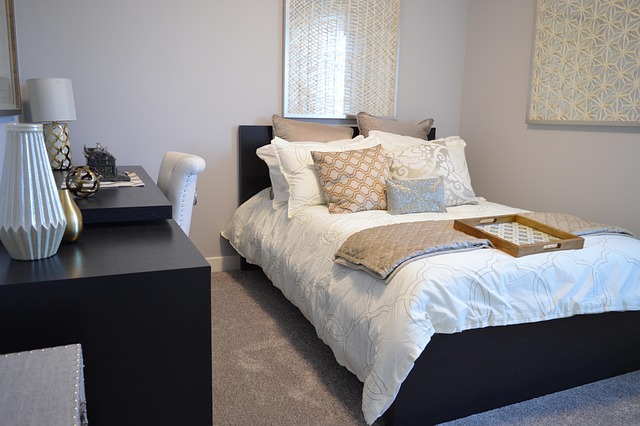
Collections organized by material, texture, and everyday use
Collections
These collections are designed to support calm, layered interiors with a warm neutral palette. Each category highlights a particular tactile quality, from matte clay and softly glazed ceramics to woven fibers and linen textures. Use this page as a map: explore a material family, then visit Craftsmanship for making notes and care considerations, or the Journal for styling ideas that help pieces sit naturally in your home.
Each category is a lens for building a space with intentional rhythm. Ceramics bring weight and quiet shine; textiles soften corners and absorb light; baskets and woven decor introduce structure and grain. Decorative lifestyle items are small, functional accents that support daily rituals and make a room feel complete without being busy.
How to use this page
Start with one material that fits your home, then add a second texture for contrast. If you want guidance on pairing tones, the Journal includes gentle styling frameworks and room examples.
Hand-shaped forms with soft glazes and tactile matte finishes. Ceramics add a grounded focal point on shelves, tables, and mantels, especially when paired with linen and wood tones.
Natural fiber weaving that brings a quiet pattern to the room. Woven pieces work well in entryways and living areas, adding warmth without introducing heavy color.
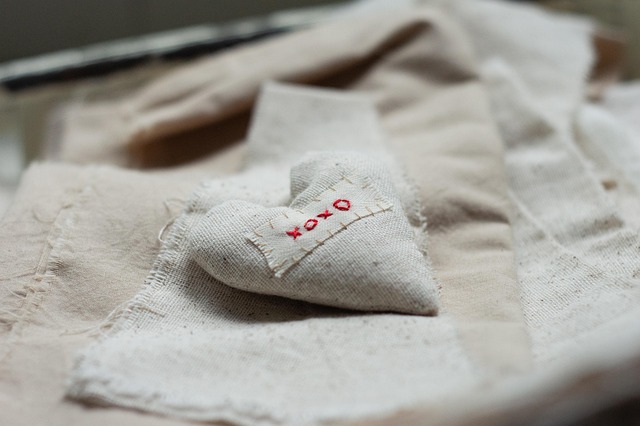
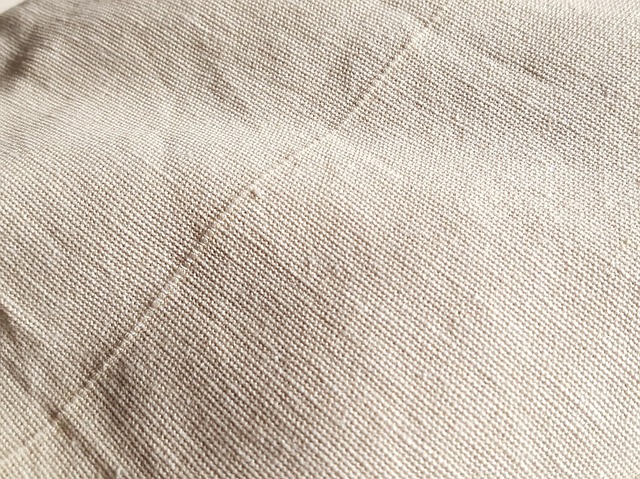
Linen-inspired tones, calm weaves, and soft layers that help a space feel finished. Textiles are a practical way to add depth through touch, not saturation.
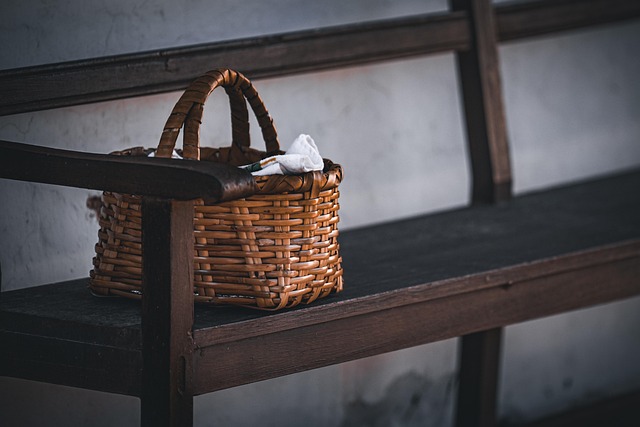
Functional storage that doubles as decor. Baskets soften hard edges and help keep rooms calm by containing everyday items in a visually consistent material.
Small accents that support daily rituals: trays, holders, and tabletop objects that add shape and intention. These pieces work well in pairs or small groupings.
If you want a cohesive look, begin with one anchor material such as ceramics or woven fiber, then add a softer layer with textiles. Keep most tones within warm whites and beige, and introduce one clay or wood note for depth. The goal is a gentle rhythm, not a perfect match. Handmade items naturally vary, and that variation helps a room feel authentic.
We use cookies to improve your experience, for analytics, and to deliver personalized advertising through Google and Meta. Read our
Privacy Policy.
Cookie preferences
Choose which cookies to allow. Essential cookies are required for core site functionality and security. Analytics cookies help us understand site performance. Marketing cookies support personalized advertising and conversion measurement through Google and Meta.
Essential cookies
Required for core functionality, security, and saving your consent choice.
Always on
Analytics cookies
Helps measure traffic and improve the site experience (Google Analytics 4).
Marketing and advertising cookies
Supports remarketing and conversion tracking (Google Ads and Meta Pixel).
You can update these choices any time via the footer link. For details on cookie categories and advertising partners, read our Privacy Policy.