Throwing and shaping
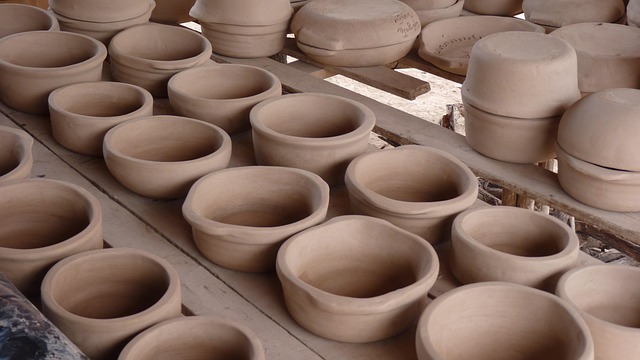
Many ceramic forms begin with a centered clay body, shaped by hand to create balanced walls and a stable base. Small asymmetries can appear and often add character.
Clay and glaze
Form, firing, and finish
Natural fibers
Weave, tension, and edges
Our palette is guided by natural surfaces and quiet contrast. Materials are selected for the way they age, the way they hold light, and the way they feel in hand. You will see a preference for matte glazes, softly textured textiles, and fibers that bring warmth without glare. Each material has its own personality, so we share notes that help set expectations about variation, maintenance, and how pieces interact in a room.
Clay bodies and glazes react to heat and minerals in unique ways. Small pinholes, tonal shifts, and gentle speckling can occur and are part of a handmade finish rather than a flaw.
Natural wood brings structure to soft palettes. Grain and color vary by cut. We prefer finishes that feel calm and low-sheen, allowing the fiber pattern to remain visible.
Linen offers a dry, breathable hand feel and a relaxed drape. Subtle slubs and weave variation are expected. Soft cotton blends can add comfort in pieces designed for everyday touch.
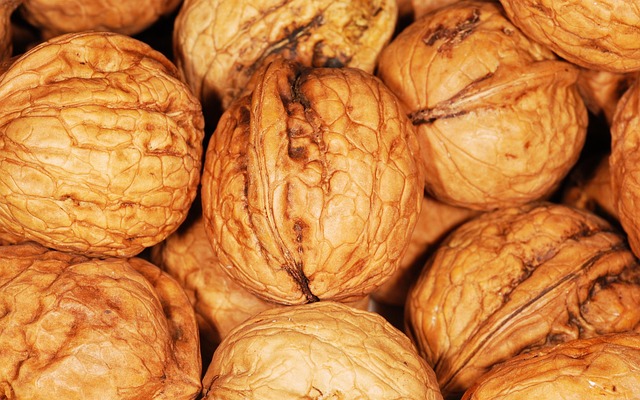
Woven decor adds texture and softness to clean lines. Fibers respond to humidity and light, which can deepen color over time. We recommend keeping woven pieces away from prolonged dampness.
Design note
A calm palette is strongest when it includes one element with visible structure, such as a defined weave, a pronounced grain, or a matte ceramic edge.
Craft is a sequence of deliberate steps rather than a single moment. Even a simple-looking object often passes through sketching, prototyping, shaping, drying, finishing, and quality checks. On this site, we describe methods in plain terms so you can understand why handmade pieces carry subtle differences and why those differences are meaningful in a home environment.
Many ceramic forms begin with a centered clay body, shaped by hand to create balanced walls and a stable base. Small asymmetries can appear and often add character.
Glazes mature in the kiln, where heat influences surface tone and texture. Makers control timing and temperature carefully, but natural variation is part of the final result.
Baskets and woven accents are shaped through tension and repetition. The edge finish matters: it holds form and prevents fraying while keeping the overall look clean.
Textiles are defined by seams, hems, and stitch density. Well-made edges help a piece hang properly and maintain a calm silhouette after repeated use and washing.
Handmade work reflects material behavior and human touch. A glaze may pool slightly at a curve, a weave may tighten at an edge, and a textile may show gentle slubs. These differences do not change the core function of an item, but they do influence the look and feel. If you prefer a highly uniform surface, lean toward smoother textiles and simpler glazed finishes. If you enjoy character, embrace pieces where the hand is visible.
Good care keeps handcrafted items comfortable to live with. The guidance below is general and intended to reduce avoidable wear. If you have a specific question about a material or finish, contact us with the category you are considering, and we will share the most relevant notes. Care should feel simple and realistic, not precious, because these are objects meant to be used.
Need a specific care note?
Send a short message with the category and how you plan to use the piece.
If you contact us, we will use your information only to respond to your inquiry. Please avoid including sensitive personal data in your message.